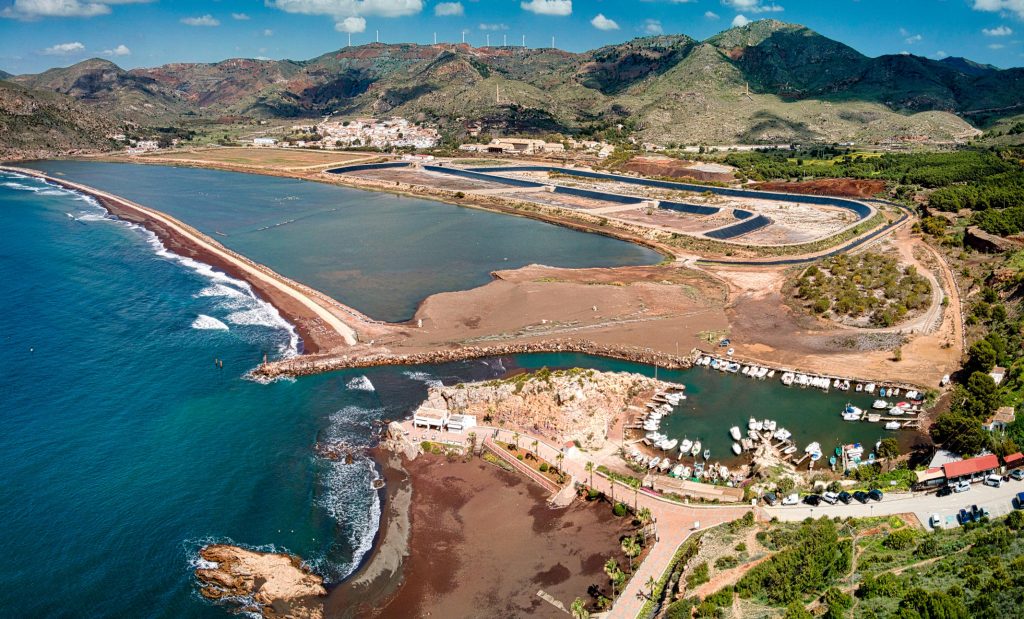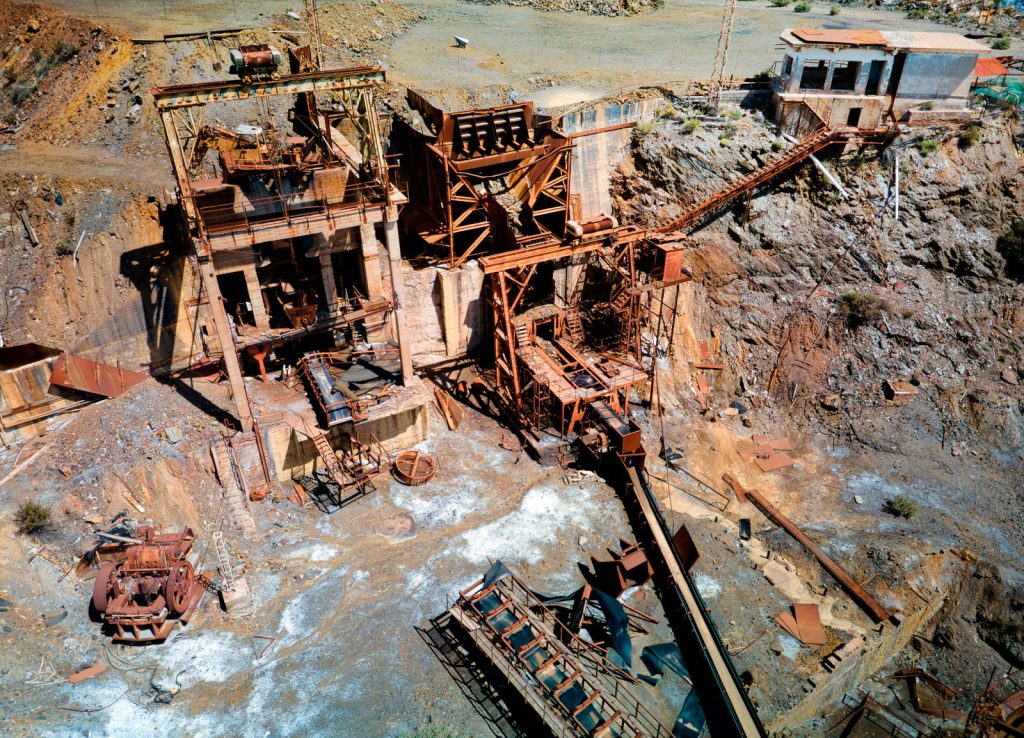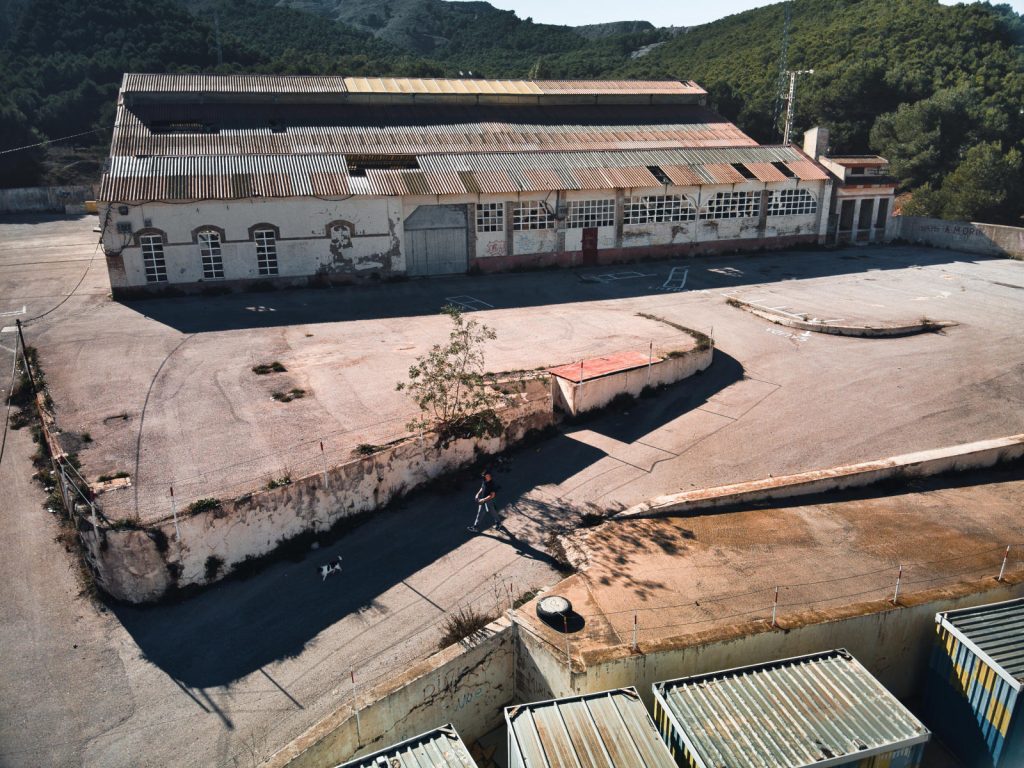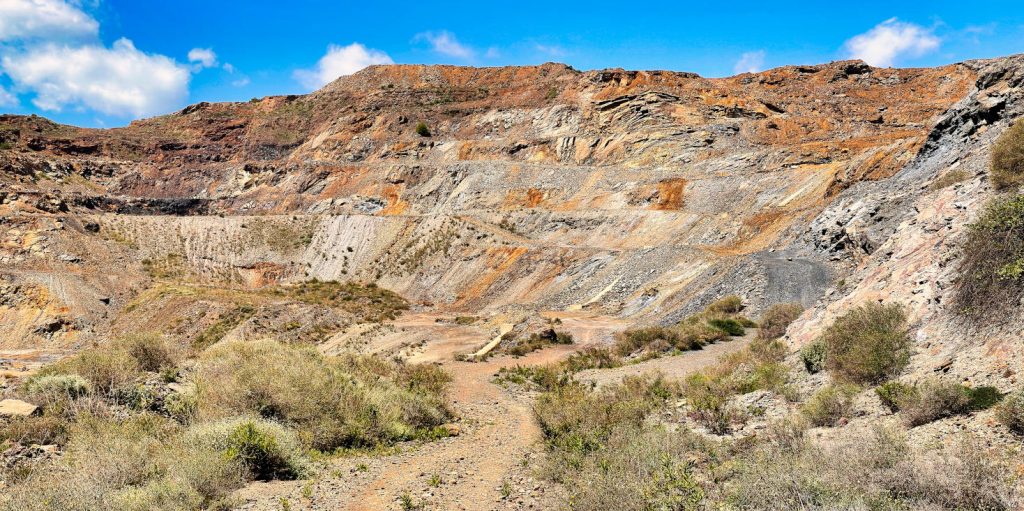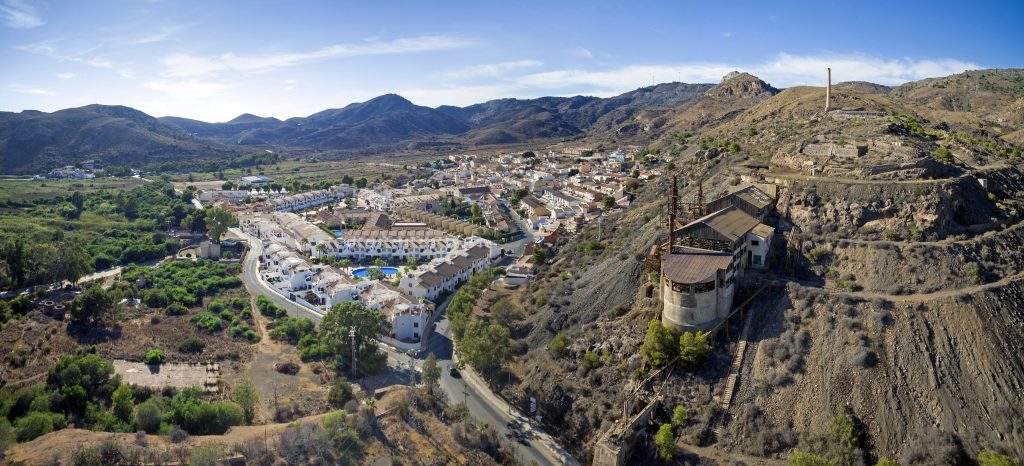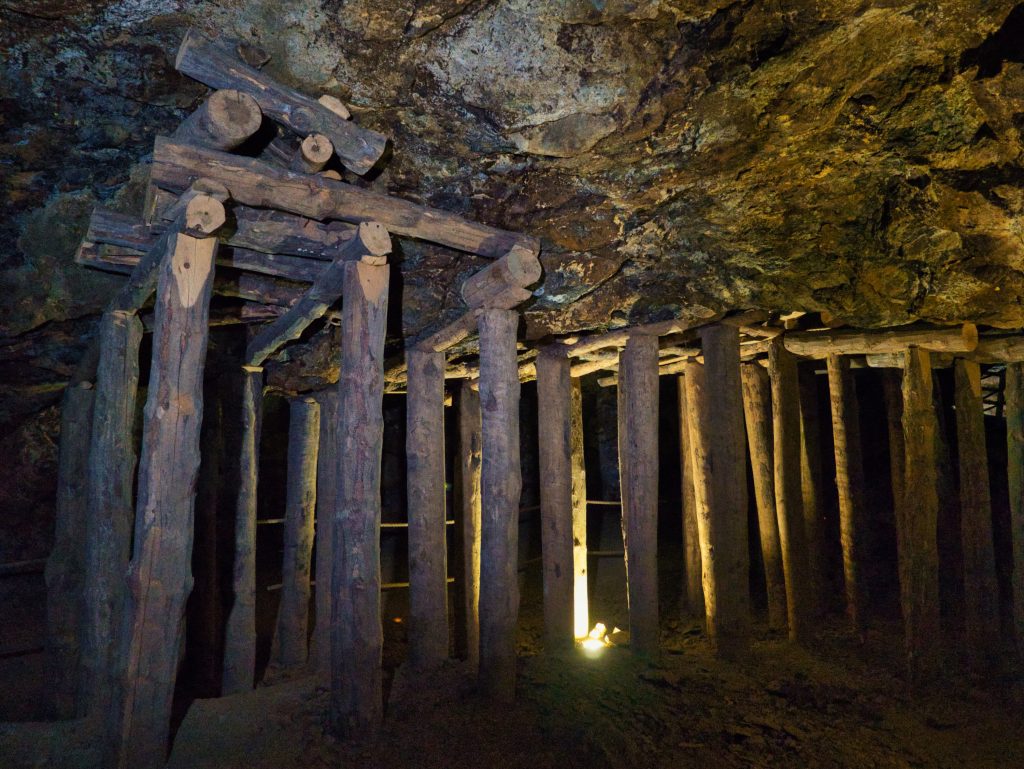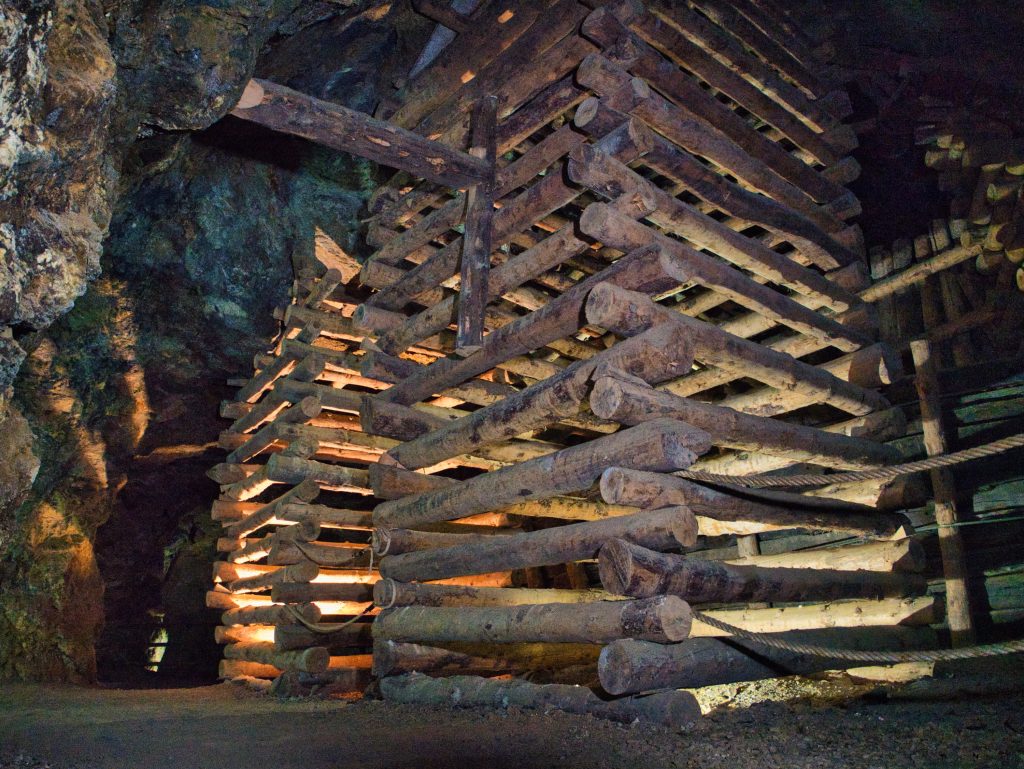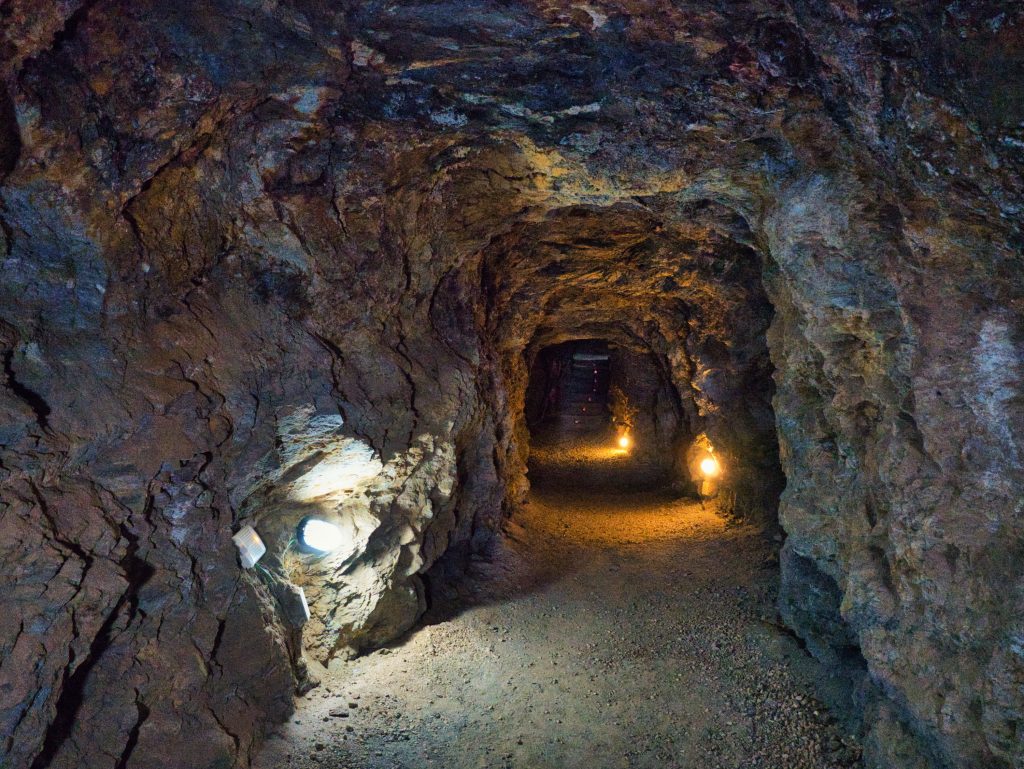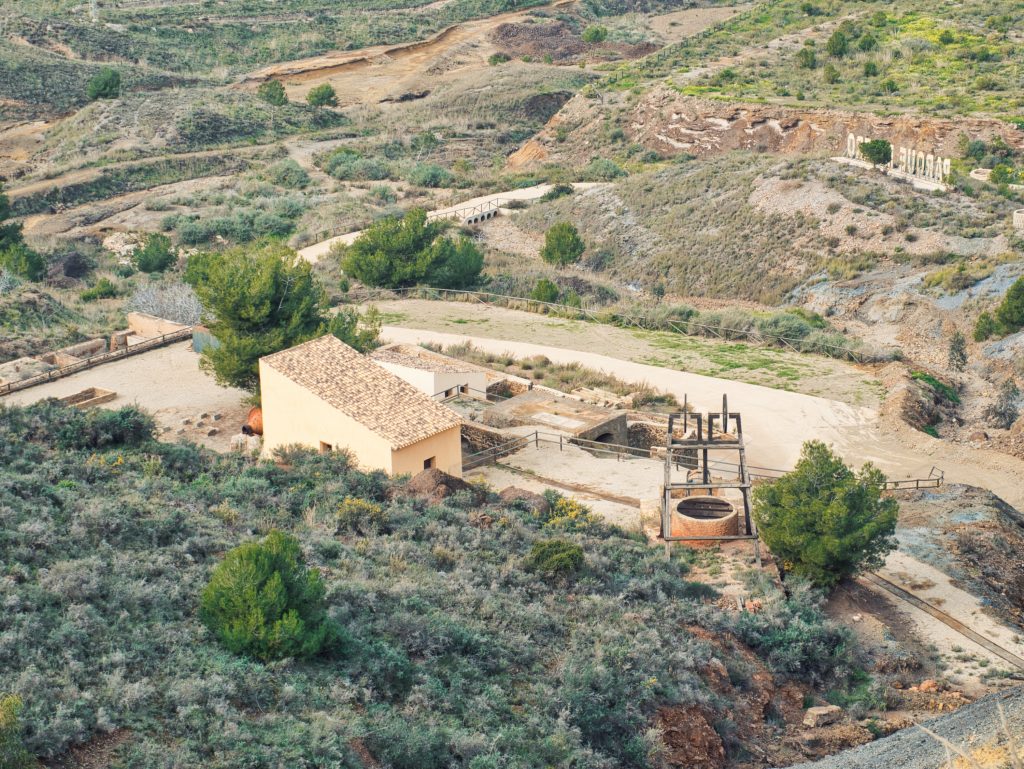

The history of La Unión is woven by the oscillating use of the lead, silver, zinc, and iron mines that have sealed the tight biography of the Municipality.
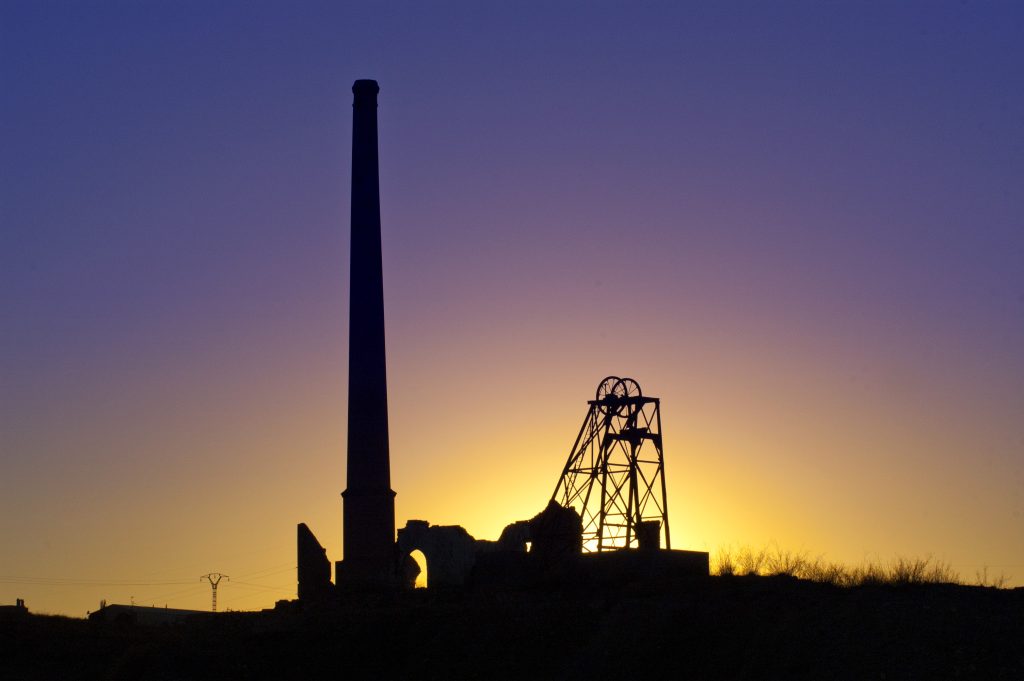
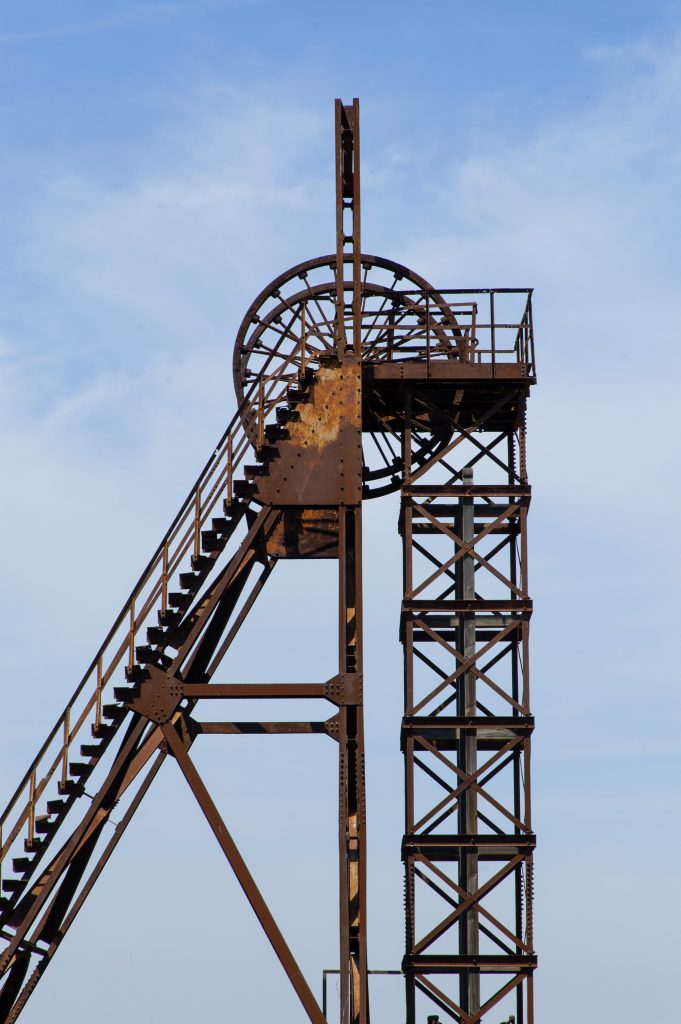
Indeed, until the early 1990s, extractive activity has marked – in its ups and downs – the economic, social, and cultural evolution of the area. The mining exploitation of the Sierra dates back to prehistoric times. The settlements of Mina Balsa, Atalaya, and the Ibero-Roman town of Cabezo Agudo were some of the first enclaves founded with such interest.
In Roman times, hundreds of slaves worked the metal wealth of our mountains. The archaeological remains of the Roman town of Portmán (formerly “Portus Magnus”) testify to the past boom. Subsequently, during a vacuum of centuries, mining activity decreased until it almost disappeared.
Entering the19th century, the towns of Portmán, El Garbanzal, and Los Roches (future municipality of La Unión) subsisted – above all – on the poor exploitation of their fields, livestock, and mountains. The contemporary mining fever took off in 1840. With underground mining, the metallurgical industry (the “foundries”) was born. The population grows – above all – from the arrival of immigrants; Hundreds of them – coming from Almería – create a phenomenon of “social contagion”. Until then, the mountain area was under the jurisdiction of the municipality of Cartagena. The mining boom led to the rising towns of Garbanzal, Herrerías, Portmán, and Roche obtaining the segregation of Cartagena to establish a Municipality and City Council with the name of Villa de El Garbanzal (January 1, 1860).
Disagreements between the residents of the main hamlets (Garbanzal and Herrerías) led to the change of the young municipality, which became called – since 1868 – La Unión.
However, the fragile mining economy, poorly capitalized, and subject to the fluctuation of prices stipulated by the London Metal Exchange, experiences continuous periods of crisis and plunges the population into permanent anxiety.
The “great moment” of La Unión falls between the final years of the 19th century and the first of the 20th. By 1908, its population reached 35,000 inhabitants (the fourth largest in the Region of Murcia). It is time for important urban reforms and significant constructions: Public Market, Casa del Piñón, Iglesia del Rosario.
At the same time, social tensions promoted by the very harsh working conditions broke out with violence (1898 and 1916).
The crisis of traditional mining has been unstoppable since the First World War, a decline that lasted until after the Spanish Civil War. By 1950, the population – reduced by the migratory drain – was only 10,000 inhabitants.
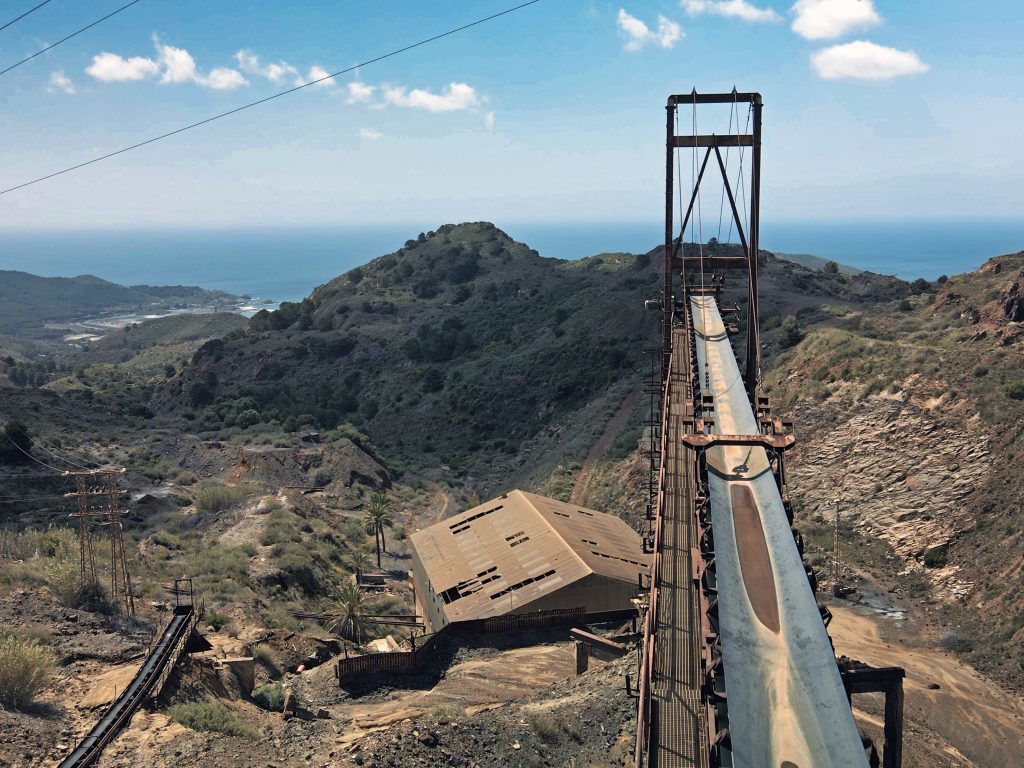
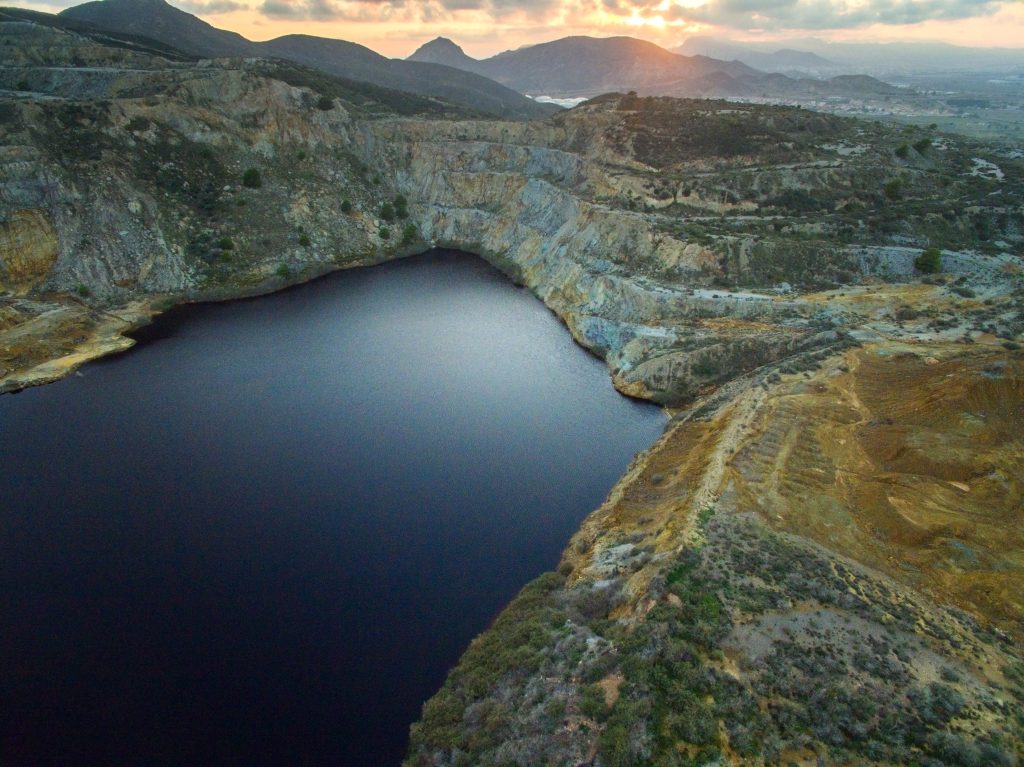
From then on, the economic improvement was based on the modernization of mineral exploitation methods (excavation of open pit quarries and washing by differential flotation) until 1991 (closing of the activity) after more than two millennia of extractive work.
PLACES OF INTEREST:
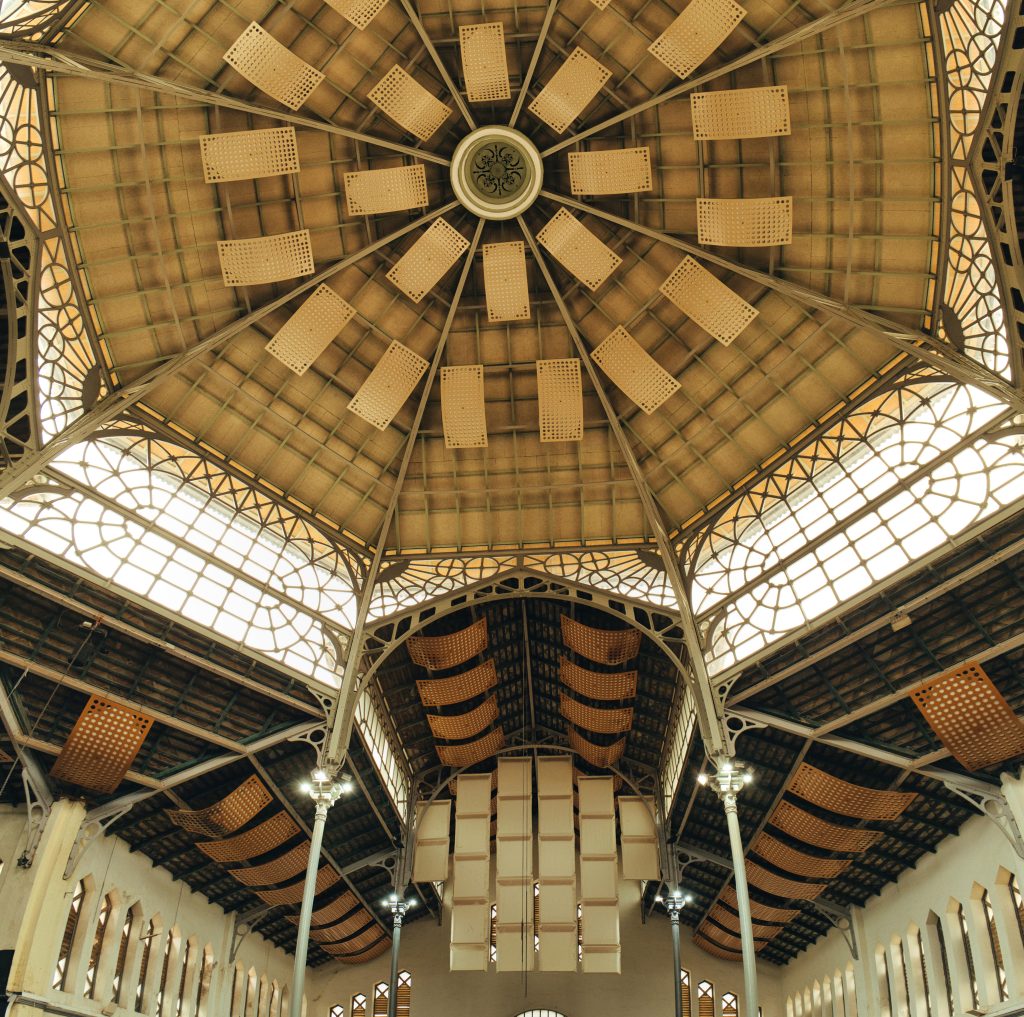
OLD PUBLIC MARKET
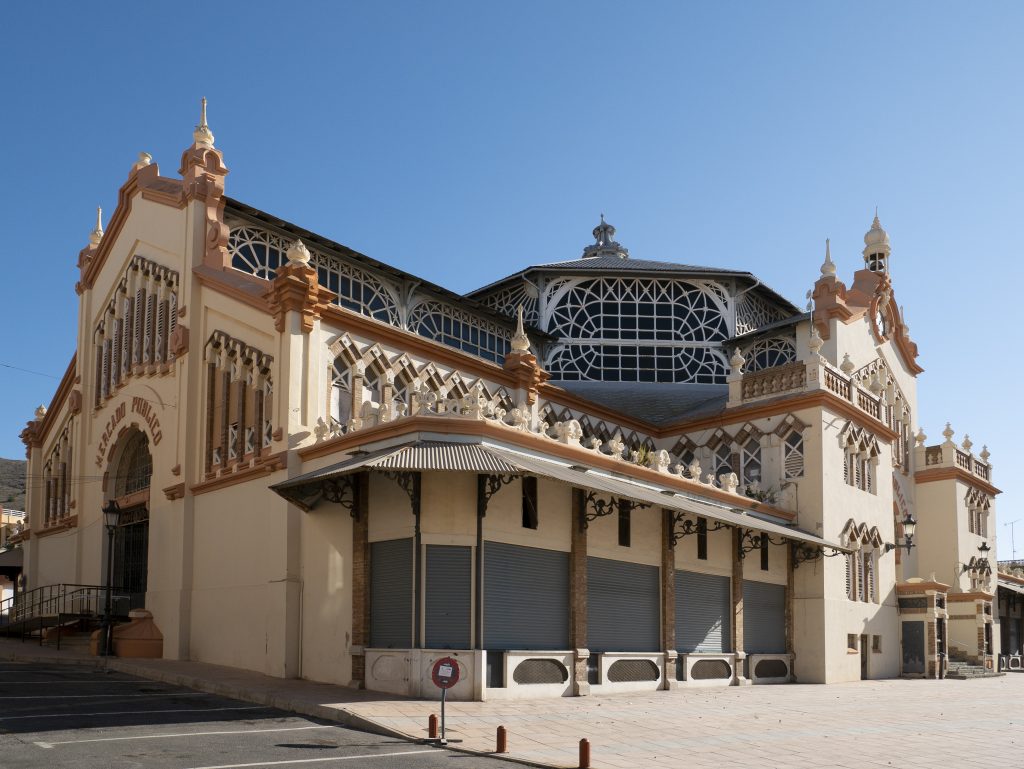
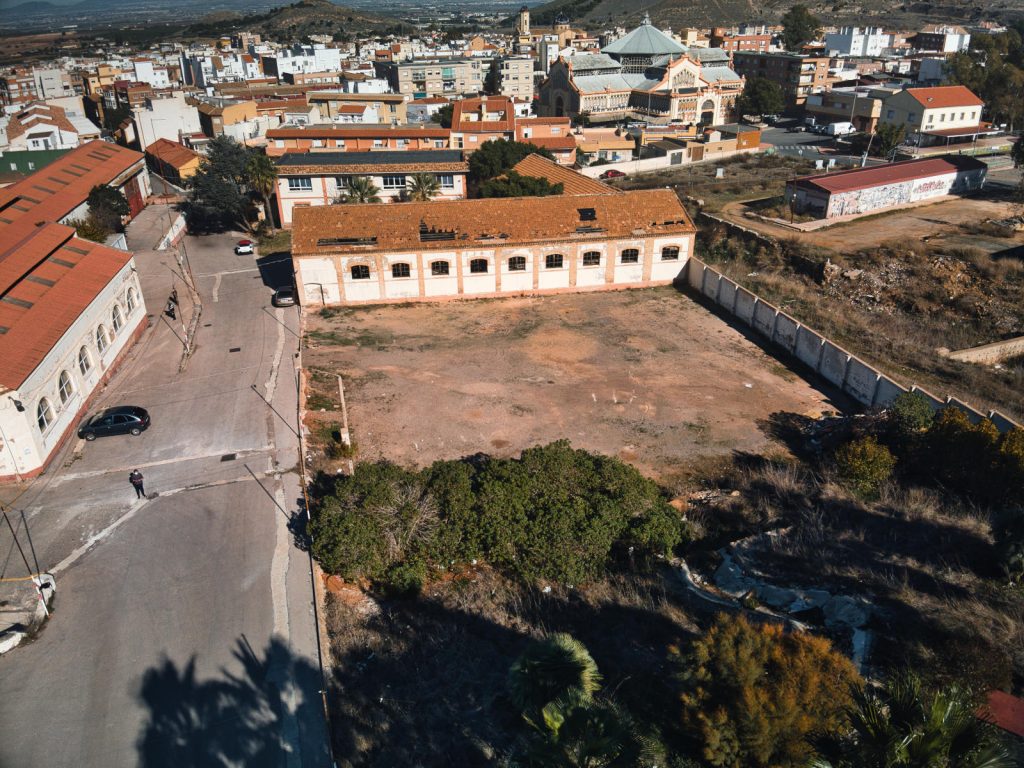
Completed in 1907, as a food market, its spectacular iron and glass structure, as well as its large dimensions, are due to the prosperous years that the Union experienced at the beginning of the 20th century thanks to mining. It is currently the headquarters of the International Cante de las Minas Festival. It was designed by Víctor Beltrí.
MONUMENT TO THE MINER
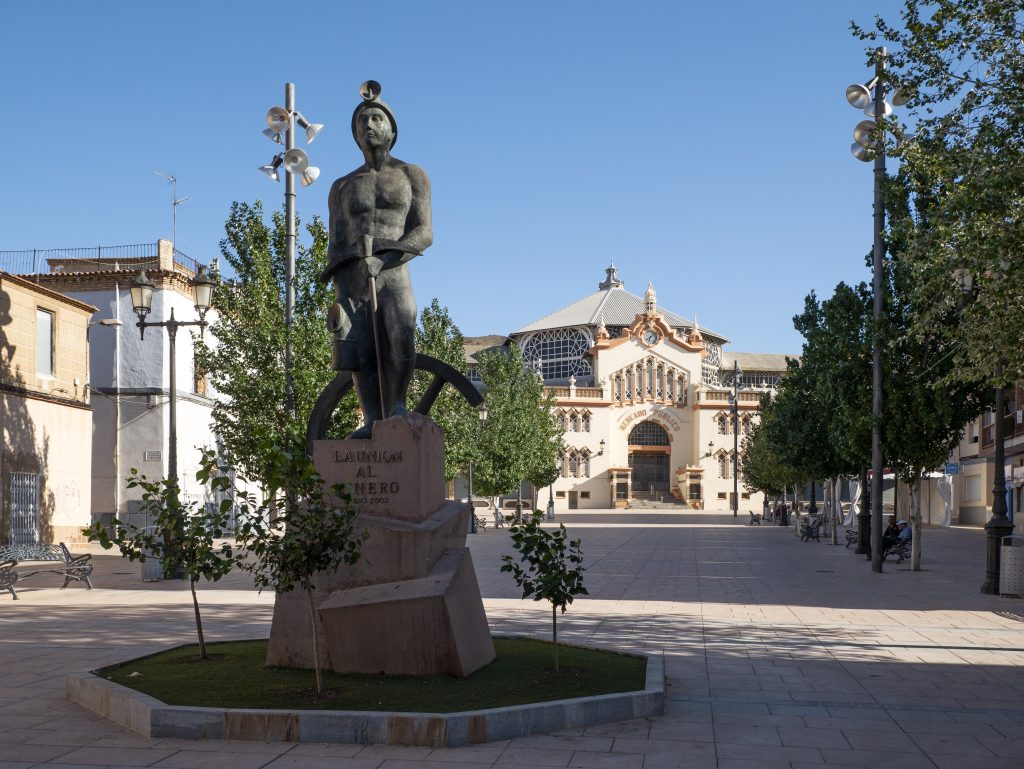
Monument tribute to the miners of the Sierra Minera de La Unión, work of the artist Esteban Bernal. Every December 4th is one of the stages of the Santa Barbara Festival. It is located in the center of the town, in Plaza Joaquín Costa, in front of the Old Public Market.
PINION HOUSE
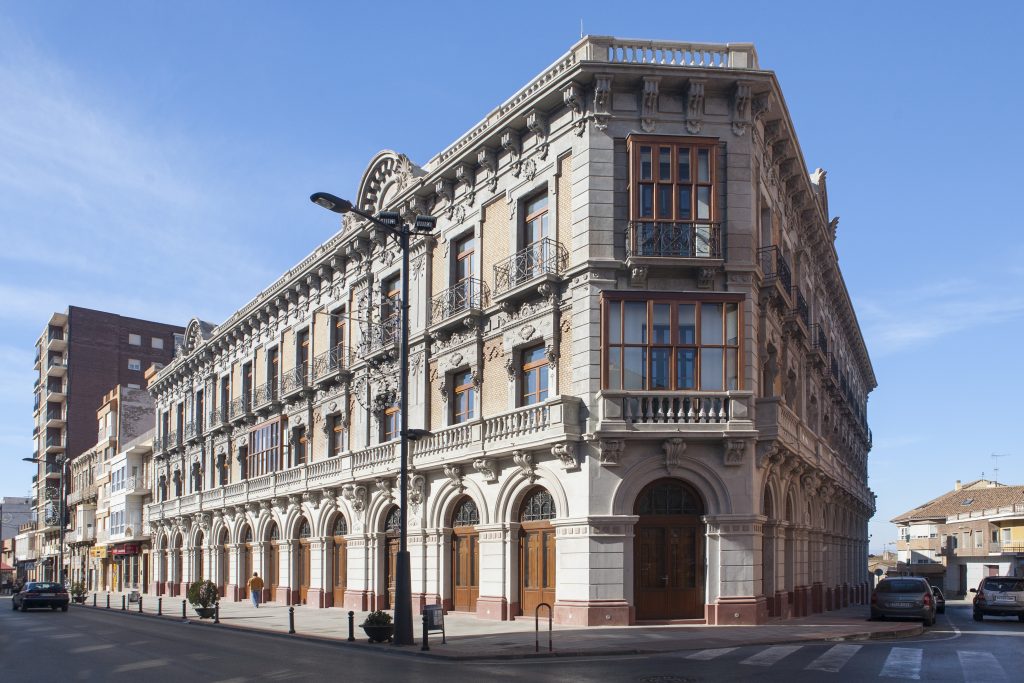
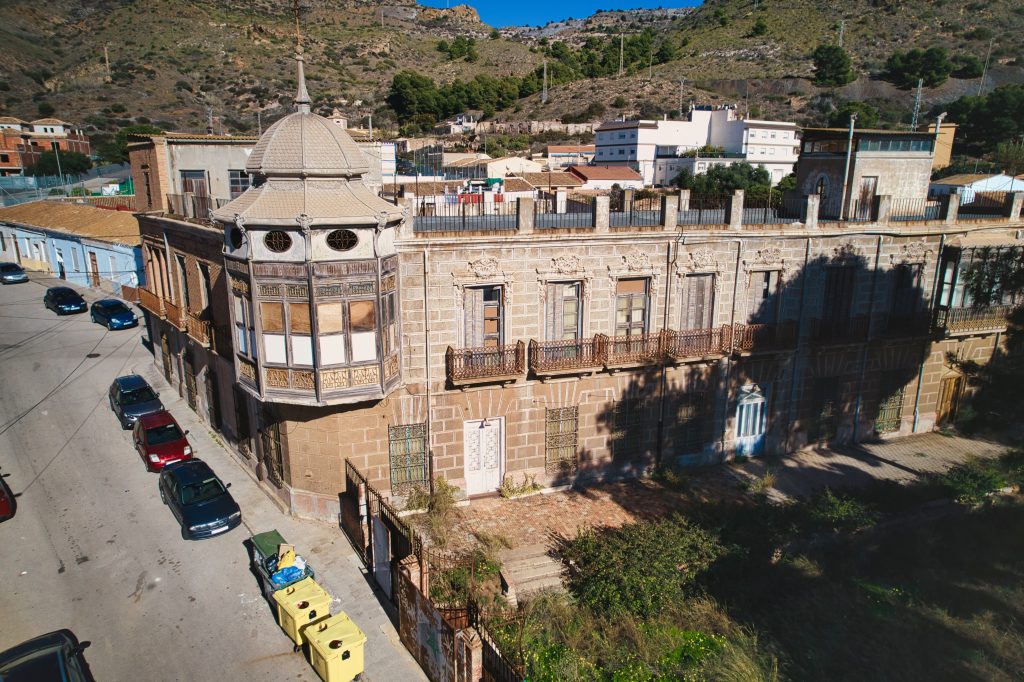
It is a clear example of the enrichment of mining. Joaquín Peñalver Nieto, one of the rich mining bosses, nicknamed the “Piñón” due to his short stature, finished building it in 1905 as a large property with luxury homes for rent and own housing. Designed by Pedro Celdrán, today it is the headquarters of our City Council.
OUR PARISH CHURCH. MRS. THE ROSARY
This monumental temple, completed in 1902, is divided by three large naves and crowned by an extraordinary dome covered with marble tiles. Inside it houses the patron saint of the municipality, the Virgin of the Rosary, the images of Holy Week on its sides and the Christ of the Miners. Designed by Justo Millán.
CORTES HOUSE
Built in 1906, it is a clear example of local modernism, with Catalan influence. Its striking façade presents profuse decoration on the pine nuts and the use of ceramics.
PROGRESS BUILDING
The building was built in 1880 in exposed brick, following the traditional local architecture of the time. It was a meeting and recreation center for the Unionense bourgeoisie. It currently houses various public services of the City Council.
CASA ZAPATA MAESTRE
It was built in 1899 by the mining industrialist Miguel Zapata, nicknamed “Uncle Wolf”, the most powerful in the entire Sierra. It also housed the “Telegraph House”. Today it is the municipal headquarters for youth.