

Geographical presentation
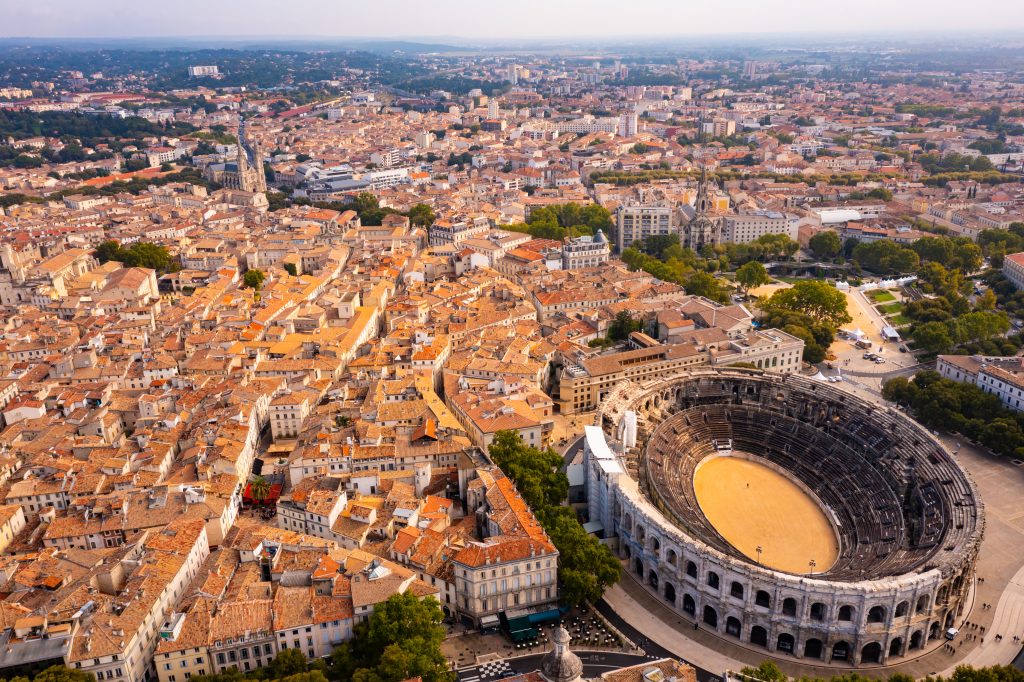
Nîmes is a city in the south-east of France, a prefecture of the Gard department which is part of the administrative region of Languedoc-Roussillon. Located between the Mediterranean Sea and the Cévennes mountain, on the busy Avignon/Arles/Marseille -Montpellier/Perpignan axis, populated by around 150,000 inhabitants.
Historical presentation
The origin of the city is lost in a certain obscurity. Legend has it that the origin of the city is attributed to Nemausus, one of the sons of Hercules, the eponymous hero of Nîmes. Etymologically Nemausus could find its origin in the Celtic word nem, which means consecrated place and which is found in nemeto(n), sacred enclosure, temple, followed by the Gallic suffix -ausu. Strabo and Pliny report that a Celtic tribe was established in this region and founded the ancient capital of the Arecomic Volques, which became the master of twenty-four considerable towns. During the Iron Age (8th – 2nd century BC), Nîmes constituted one of the main oppida of Mediterranean Celtic. In this setting of 2000 years of history, it seduces with the beauty of its old center, an exceptional heritage city heart.
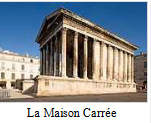
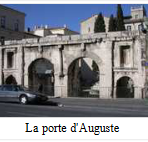
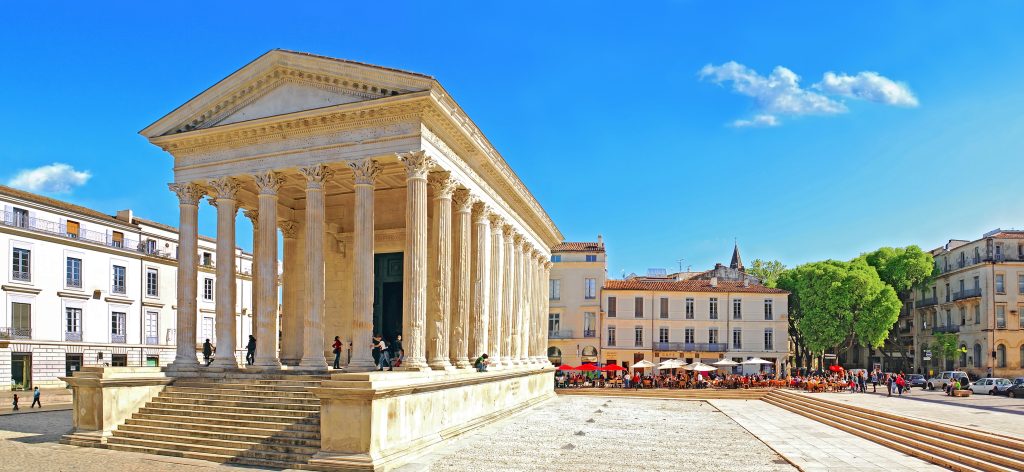
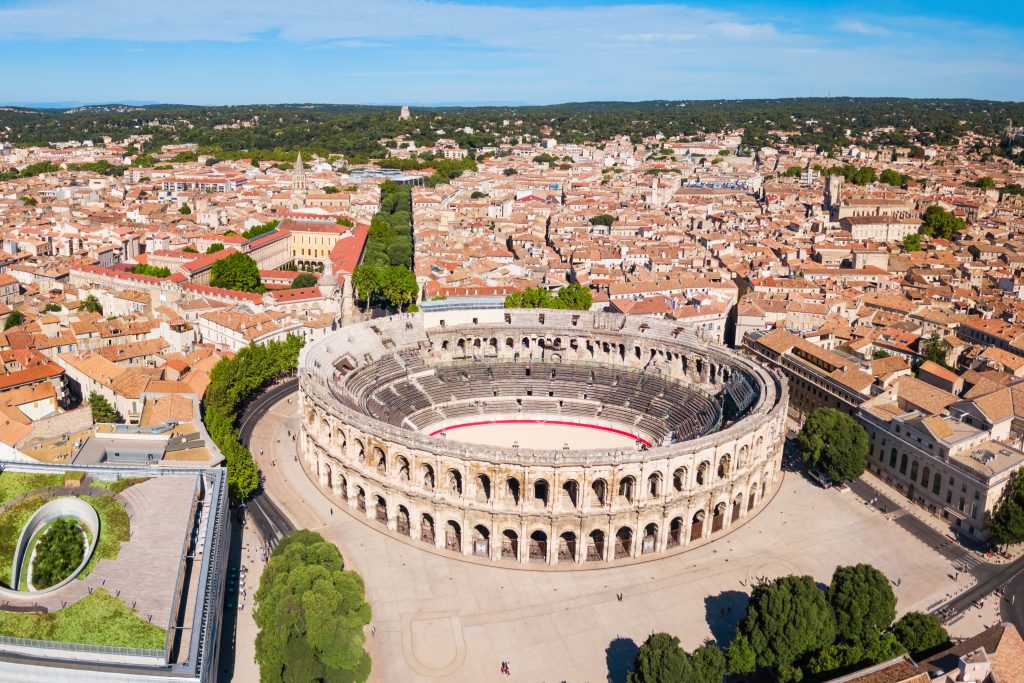
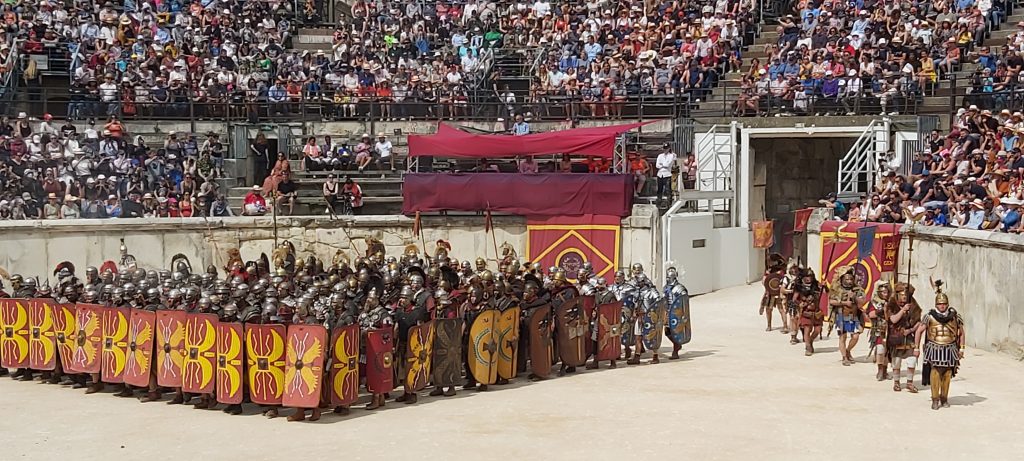
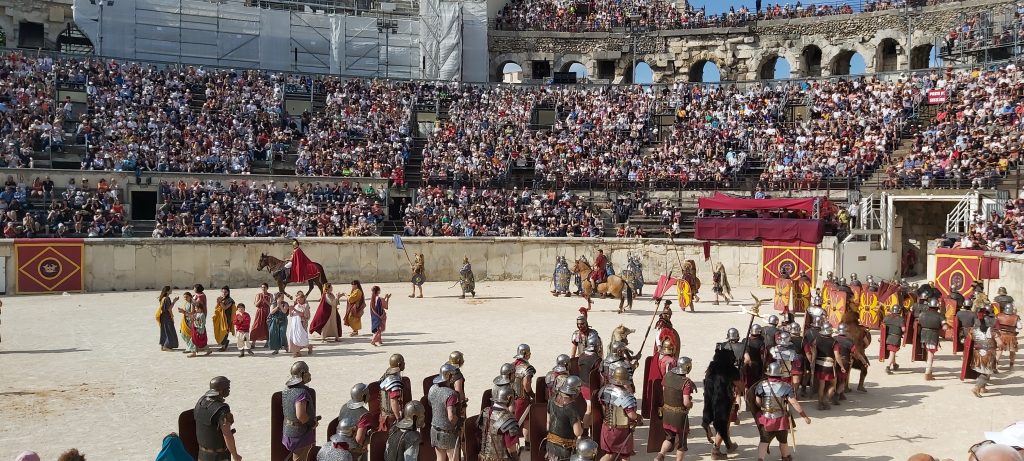
Also called French Rome, it holds a large number of Roman remains such as:
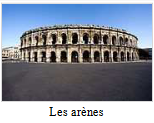
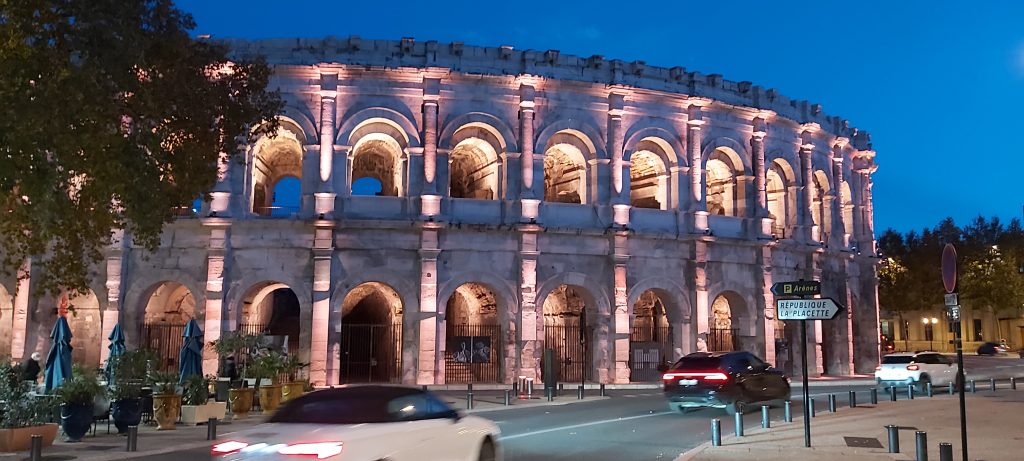
- The Roman amphitheater: “The Arena”
- The Square House
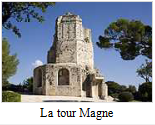
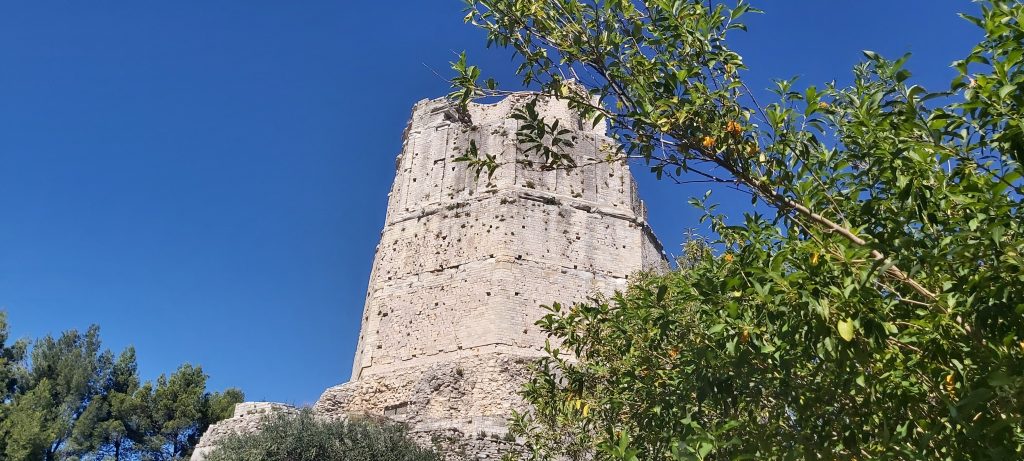
- The Magne Tower (Years 16 -15 av. J.-C.)
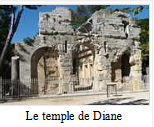
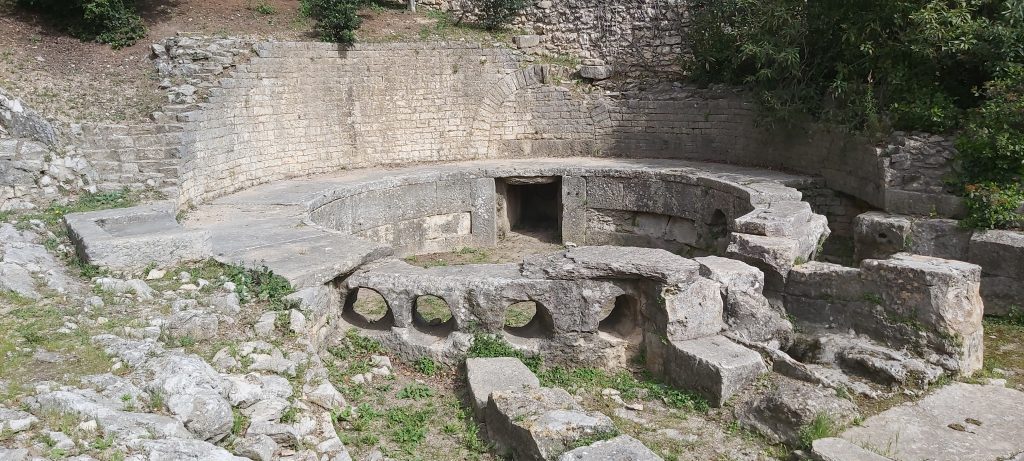
- The temple of Diana
- The Augustus Gate (Years 16 -15 av. J.-C.).)
- The Porte de France (Years 16 -15 av. J.-C.)
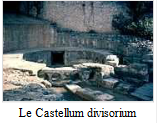
- The Castellum divisorium (1st century)
Nîmes Fair
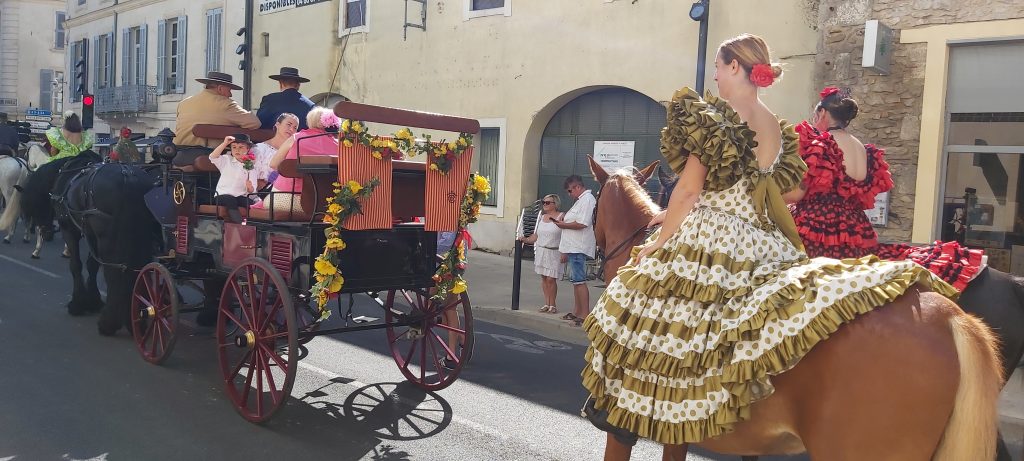
The Nîmes fair is a popular festival centered on bullfighting held every year in Nîmes, officially since 1952, unofficially, and completely illegally, since the end of the 19th century, after the famous “protest bullfight” of 1894.